

US threatens secondary sanctions on foreign airports aiding Iranian airlines
The U.S. sanctions could further strain international relations and disrupt global aviation networks, impacting geopolitical stability.
The United States has taken a significant step in its ongoing economic pressure campaign against Iran, threatening secondary sanctions against foreign airports and fuel suppliers that facilitate services for Iranian airlines. This move is part of a broader strategy aimed at further isolating Iran and disrupting its economic activities.
The threat of secondary sanctions could have far-reaching consequences, not only for the targeted entities but also for the global aviation industry. Foreign airports and fuel suppliers that choose to continue supporting Iranian airlines could face severe economic penalties, which could impact their operations and profitability.
This development comes at a time when international relations are already strained, and the potential for further escalation is a cause for concern. The move could further strain diplomatic ties and disrupt global aviation networks, raising questions about the future of international cooperation in the face of economic sanctions.
Analysts are closely monitoring the situation, as the outcome could have significant implications for geopolitical stability and the global economy. The threat of secondary sanctions underscores the complex interplay between economic policy, international relations, and the aviation industry, highlighting the need for careful consideration of the potential consequences.
Original Source
Read the original article from Crypto Briefing




Recommended Articles
Base financing markets grow 133% this year, driven by Morpho and Coinbase integration
The rapid growth in Base financing markets highlights the increasing mainstream adoption and regulatory acceptance of DeFi lending.

Wall Street falls as oil rebounds amid Middle East tensions
Rising oil prices and bond yields amid geopolitical tensions could lead to tighter financial conditions and impact global economic stability.
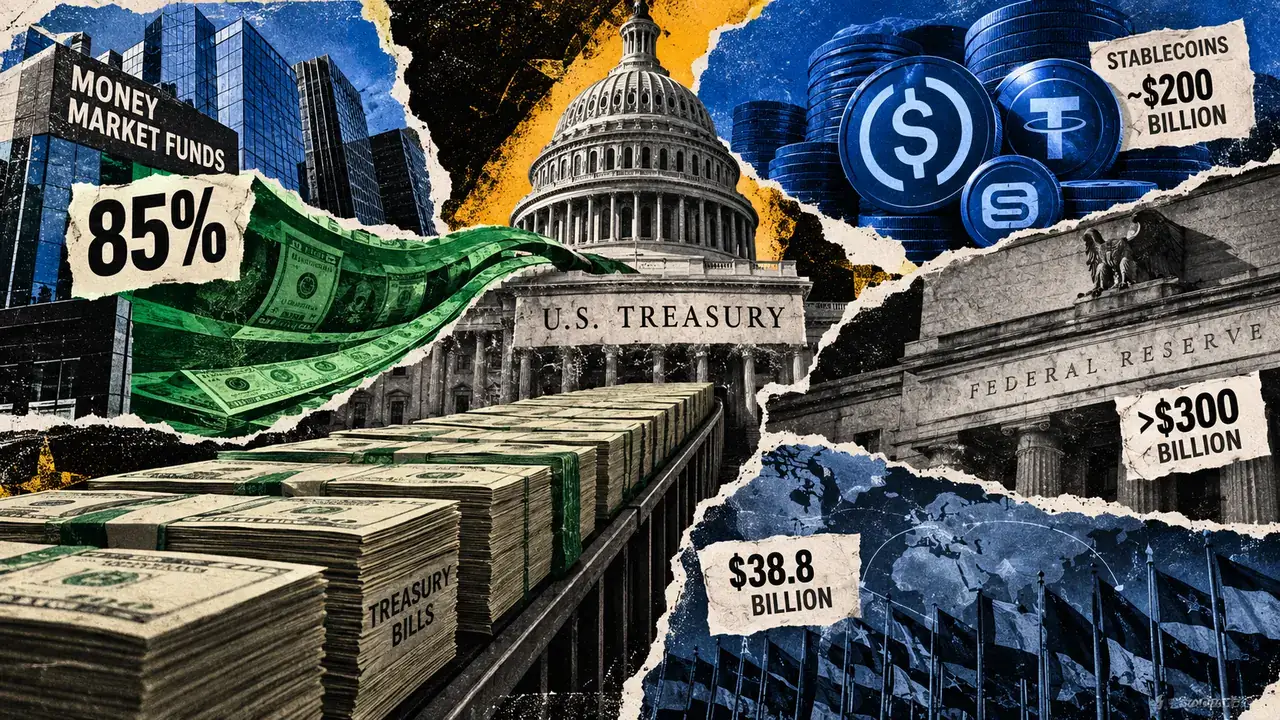
Stablecoins hold nearly $200 billion in US debt, but money funds bought the surge
Treasury says money-market mutual funds absorbed about 85% of more than $550 billion in new bill supply during July and August.