

Fogo mainnet temporarily halted after unauthorized activity drains 400 million tokens from foundation wallets
Fogo's mainnet halt highlights centralization risks in blockchain projects, impacting investor confidence and raising security concerns.
The Fogo Mainnet Halt: A Wake-Up Call for Blockchain Security
The recent halt of the Fogo mainnet due to unauthorized activity has sent shockwaves through the blockchain community. This incident, which resulted in the loss of roughly $3 million worth of FOGO tokens, underscores the vulnerabilities inherent in even the most advanced blockchain infrastructures. Fogo, a high-performance Layer 1 blockchain compatible with the Solana Virtual Machine, has been lauded for its speed and efficiency. However, the recent breach has exposed the risks associated with centralized control points within blockchain ecosystems.
The compromise of the Fogo Foundation's infrastructure highlights the need for enhanced security measures and decentralized governance models. As blockchain technology continues to evolve, the industry must prioritize the development of robust security protocols to protect against such vulnerabilities. This incident serves as a stark reminder that the promise of decentralization and security in blockchain technology is not infallible and requires continuous vigilance and innovation.
Impact on Investor Confidence
The unauthorized draining of 400 million FOGO tokens has significantly impacted investor confidence in the Fogo ecosystem. The temporary halt of the mainnet has disrupted operations and raised questions about the long-term viability of the project. Investors are now scrutinizing the security measures in place and the responsiveness of the Fogo Foundation to such incidents.
This event also raises broader concerns about the centralization risks in blockchain projects. While blockchain technology is often touted for its decentralized nature, the reality is that many projects still rely on centralized entities for governance and security. The Fogo incident highlights the need for a more decentralized approach to blockchain management, where control is distributed among a wider network of participants rather than concentrated in the hands of a few.
The Road Ahead for Fogo
In the wake of this incident, the Fogo Foundation faces the daunting task of restoring investor confidence and fortifying its security infrastructure. The foundation has announced plans to conduct a thorough investigation into the breach and implement enhanced security measures to prevent future occurrences. Additionally, the foundation is exploring the possibility of compensating affected investors to mitigate the financial impact of the incident.
The Fogo mainnet halt serves as a critical learning opportunity for the broader blockchain community. It underscores the importance of continuous innovation in security and governance models to ensure the long-term success and sustainability of blockchain projects. As the industry moves forward, it is imperative that projects like Fogo prioritize transparency, accountability, and decentralization to build a more resilient and trustworthy blockchain ecosystem.
Original Source
Read the original article from Crypto Briefing


Recommended Articles

Russia’s crypto regulation takes effect, boosting oversight and legitimacy
Russia's crypto regulation may enhance digital asset legitimacy, potentially stabilizing the market and influencing global crypto sentiment. The post Russia’s crypto regulation takes effect, boosting oversight and legitimacy appeared first on Crypto Briefing.

Trump dismisses ‘little war’ with Iran amid resumed clashes
Trump's rhetoric may hinder diplomatic efforts, reducing chances for a comprehensive US-Iran deal and impacting reconstruction funding prospects. The post Trump dismisses ‘little war’ with Iran amid resumed clashes appeared first on Crypto Briefing.
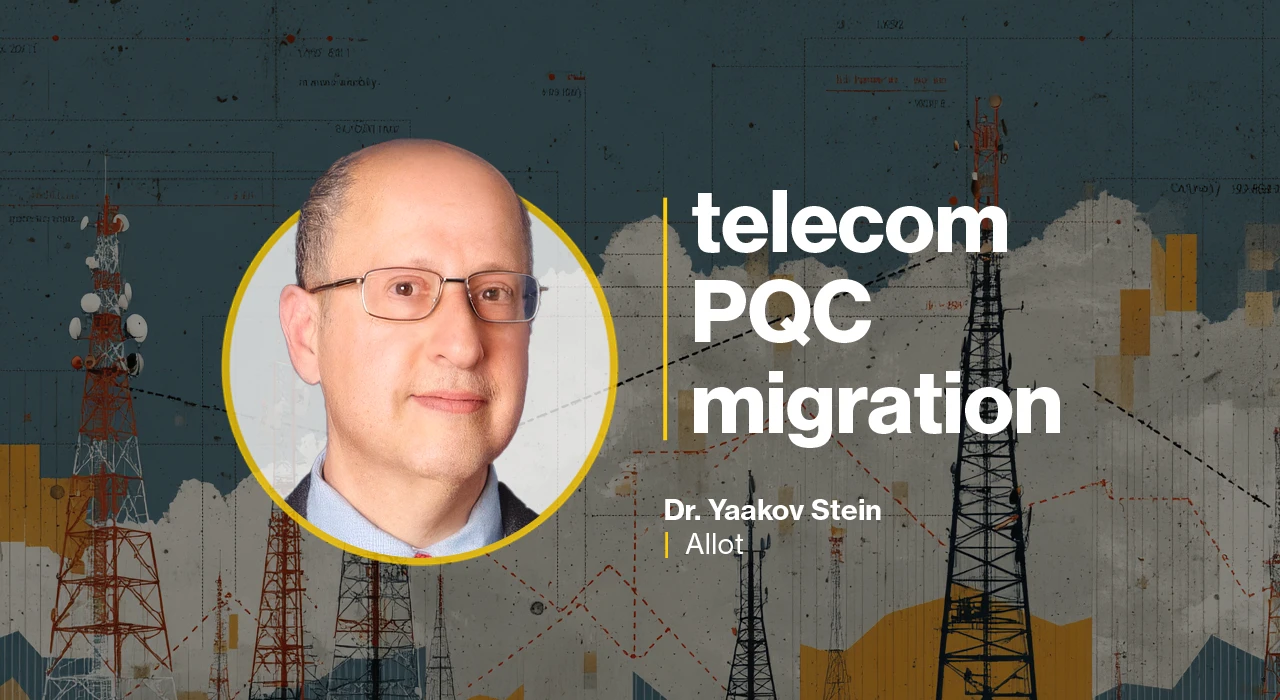
What your vendor says about PQC tells you if they are ready
In this interview with Help Net Security, Dr. Yaakov Stein, VP CTO of Allot, discusses what post-quantum readiness looks like inside a mobile network. The discussion covers which operator traffic stays sensitive for years, including subscriber identity mapping…