
Build Your First Crypto Portfolio Without Overthinking It
Yes — you can start investing in crypto with under $100.
The smartest approach in 2026 is:
- diversify across a few key assets
- avoid overtrading
- use dollar-cost averaging (DCA)
- focus on long-term positioning
A simple beginner portfolio:
- 40% Bitcoin
- 30% Ethereum
- 20% high-growth altcoins
- 10% stablecoins
You don’t need a lot of money. You need a clear plan.
The Reality: $100 Is Enough to Start (If You Use It Properly)
Most beginners think:
“I’ll start when I have more money.”
That’s a mistake.
Crypto rewards:
- early participation
- consistency
- discipline
Not starting early costs more than starting small.
Step 1 — Choose the Right Platform
Beginner-Friendly Exchanges
Start with:
- Binance
- MEXC
- Gate.com
What to Look For
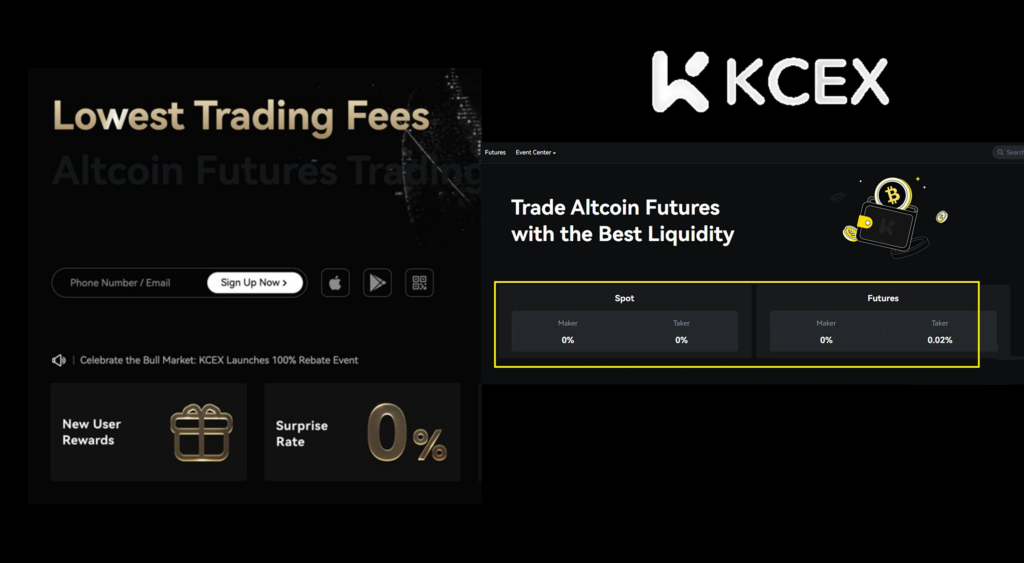
- low fees
- simple interface
- wide asset selection
Step 2 — Build a Simple Portfolio
The $100 Allocation Model
1. Bitcoin (BTC) — 40%
Why:
- most established asset
- long-term store of value
2. Ethereum (ETH) — 30%
Why:
- smart contract leader
- core of DeFi and AI ecosystems
3. Growth Altcoins — 20%
Examples:
- AI tokens
- DeFi projects
- emerging narratives
4. Stablecoins — 10%
Why:
- liquidity
- buying dips
Step 3 — Use Dollar-Cost Averaging (DCA)
What Is DCA?
Investing small amounts over time instead of all at once.
Example
Instead of $100 once:
- $25 weekly
- or $10 daily
Why It Works
- reduces timing risk
- builds discipline
- smooths volatility
Step 4 — Avoid Common Beginner Mistakes
1. Buying Random Coins
Stick to a plan.
2. Overtrading
Fees destroy small accounts.
3. Chasing Pumps
If it’s trending — it’s late.
4. Going All-In on One Coin
Diversification protects you.

Step 5 — Where to Find Good Altcoins
Use Early Listing Platforms
- MEXC
- Gate.com
What to Look For
- strong narratives (AI, DeFi)
- active communities
- growing volume
Step 6 — Simple Growth Strategy
The Rule
Add consistently.
Example Plan
- invest $20–$50 monthly
- rebalance every 3 months
Long-Term Focus
Ignore:
- daily price moves
- short-term noise

Step 7 — When to Take Profits
Beginner Rule
- take small profits at 2–3x
- hold core positions long-term
Advanced Tip
- rotate profits into Bitcoin or stablecoins
Step 8 — Security Basics
Don’t Skip This
Once your portfolio grows:
Store assets using:
- Ledger
Why
- protects against exchange risk
- gives you full control

The $100 → $1,000 Mindset
What Actually Works
- consistency
- patience
- compounding
What Doesn’t
- gambling on meme coins
- chasing hype
- overtrading
30-Day Beginner Plan
Week 1
- open exchange account
- deposit funds
Week 2
- build initial portfolio
Week 3
- monitor and learn
Week 4
- add small additional funds

Your Setup
Step 1 — Open Account
Use:
Step 2 — Build Portfolio
Follow allocation model.
Step 3 — Add Consistently
Use DCA.
Step 4 — Secure Assets
Use:

FAQs
Can I start crypto with $100?
Yes — and it’s one of the best ways to learn.
What is the safest crypto?
Bitcoin and Ethereum.
Should beginners trade?
No — start with investing first.
How do I grow my portfolio?
Consistency and discipline.
The Truth About Small Portfolios
Small portfolios don’t grow from:
- luck
- hype
- random trades
They grow from:
- structure
- consistency
- time

The Rule That Changes Everything
Start small. Stay consistent. Scale over time.
Start today:
Secure your future:
Recommended reading:
How to Buy Stablecoins for Savings, Remittance & Trading
How to Buy Gaming Tokens Before Mass Adoption
How to Buy Bitcoin Using PayPal, Apple Pay & Google Pay
How to Buy Crypto With Credit Card, Bank Transfer & Cash
How to Buy Crypto Anonymously & Safely
How to Buy Ethereum Safely: Beginner to Pro Execution Strategy
How to Buy Bitcoin in Every Country (Ultimate 2026 Global Guide)
How to Buy Solana, Base Tokens & Next-Gen Layer-1s

Start Here — Build Your Crypto Infrastructure Safely
You don’t need to use everything at once.
Professionals reduce risk by having access to multiple rails so they are never dependent on a single platform.
Below is a simple, practical setup used by many experienced traders and investors.
1) Your Fiat Gateway (Primary Access)
Best starting point for deposits & withdrawals
Binance — reliable onboarding, deep liquidity, global coverage
👉 sign up
Why open this:
- Move from bank → crypto easily
- Convert large amounts efficiently
- Emergency exit capability

2) Your Trading Execution Venue (Fast & Flexible)
Best for active trading and broad market access
MEXC — huge altcoin selection & low trading friction
👉 sign up
Why open this:
- Trade markets not listed elsewhere
- Better execution during volatility
- Lower dependence on a single exchange
3) Your Advanced Tools & Derivatives Platform
Best for leverage, hedging and professional execution
Bybit — strong order controls & derivatives infrastructure
👉 sign up
Why open this:
- Proper stop loss tools
- Hedging capability
- Strategy flexibility
4) Your Yield & Passive Income Layer
Best for structured products and capital efficiency
Gate.com — structured yield & automated earning tools
👉 sign up
Why open this:
- Earn on idle capital
- Diversify platform risk
- Access structured strategies

5) Your Altcoin & Ecosystem Expansion Layer
Best for early market access and wide listings
KuCoin — broad token ecosystem
👉 sign up
Why open this:
- Access emerging markets
- Portfolio diversification
- Redundancy if one platform restricts access
Why This Structure Matters
Using one exchange creates a single point of failure.
Using multiple rails creates:
- Liquidity redundancy
- Faster reaction ability
- Lower operational risk
- Greater opportunity access
You don’t need large capital to start — you just need prepared infrastructure.

Practical Next Step
Open accounts gradually and verify them before you need them.
Most people only prepare during stress —
professionals prepare before it.
(Decentralised News provides infrastructure education, not financial advice. Always use proper security practices.)