
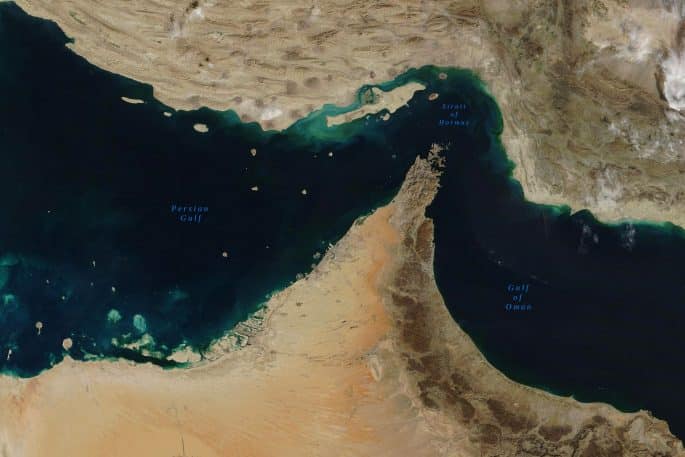
Gulf freight rates soar as Strait of Hormuz disruptions persist
The surge in Gulf freight rates highlights the strategic vulnerability of global trade routes amid geopolitical tensions, prompting logistical shifts. The post Gulf freight rates soar as Strait of Hormuz disruptions persist appeared first on Crypto Briefing.
Freight rates across the Gulf region have surged sharply in response to ongoing disruptions in the strategic Strait of Hormuz. This critical maritime chokepoint, responsible for a significant share of the world’s oil shipments, has become increasingly volatile amid persistent geopolitical tensions.
The elevated freight costs underscore the strategic vulnerability of global supply chains reliant on this corridor. Shipping companies are contending with operational uncertainties and heightened insurance premiums, which together elevate transportation expenses and ripple throughout energy markets and broader commodity prices.
Geopolitical Factors Driving Market Dynamics
The Strait of Hormuz remains a focal point of contention, with regional actors leveraging control over this vital passage to exert diplomatic pressure. Disruptions—whether from security incidents, naval blockades, or regulatory restrictions—prompt rerouting efforts and slowdowns that compound logistical challenges.
Market participants tracking transit rates note a recent decline in expected daily transits as caution prevails, signaling a tightening of available shipping capacity and reinforcing cost pressures. Prolonged instability threatens to accelerate shifts toward alternative routes, impacting global trade paradigms.
Logistical Responses and Future Outlook
In response, companies are exploring diversified shipping lanes and investing in risk mitigation strategies to reduce exposure. Moreover, these freight fluctuations are fueling discussions about broader energy diversification and resilience planning.
Experts emphasize the importance of diplomatic engagement alongside technological investments to secure maritime traffic continuity. Until tensions ease, the shipping and commodities sectors must strategically navigate a landscape marked by uncertainty and escalating costs.
Original Source
Read the original article from Crypto Briefing





Recommended Articles

Singapore Shuts Down Bsquared’s Crypto Payment Operations – Details
Bsquared Technology Pte Ltd has no auditors to answer to yet — but it will. Singapore’s central bank has ordered the crypto firm to produce a closure certificate confirming that all customer funds have been returned. The company told regulators it holds no ou…

HYPE Accumulation Intensifies As Whale-Linked Position Surpasses $100M
HYPE is showing remarkable strength as it approaches all-time highs — a performance that stands in sharp contrast to the broader market, facing selling pressure and uncertainty. While most assets have been retreating, Hyperliquid’s native token has been movin…

Meta trains AI on internal engineers’ work as it cuts 8,000 jobs
Meta's AI training on employee work amid layoffs risks reputational damage, legal scrutiny, and challenges in attracting top talent. The post Meta trains AI on internal engineers’ work as it cuts 8,000 jobs appeared first on Crypto Briefing.