
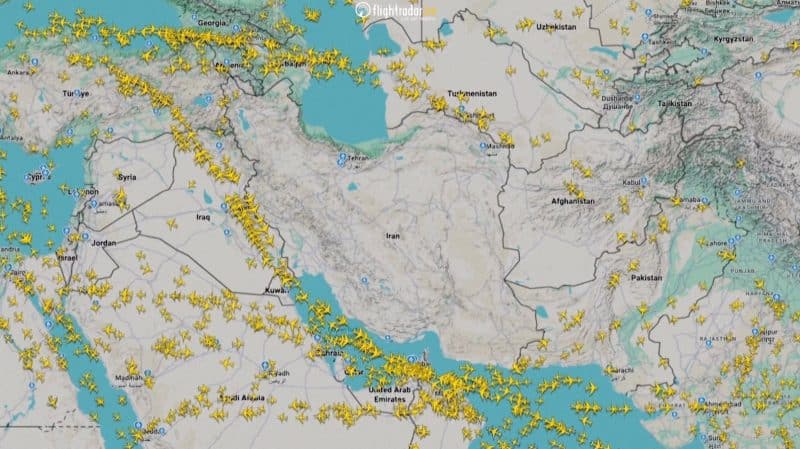
UAE counters Iranian air attack amid regional tensions
Escalating tensions may destabilize the region, hinder US-Iran diplomacy, and increase the likelihood of Iranian airspace restrictions. The post UAE counters Iranian air attack amid regional tensions appeared first on Crypto Briefing.
The geopolitical landscape in the Middle East has intensified as the United Arab Emirates (UAE) responded to an Iranian air assault, escalating regional tensions that could have far-reaching implications beyond traditional diplomacy. This confrontation, occurring amid ongoing US-Iran negotiations, has potential ramifications for regional stability, airspace accessibility, and global energy markets.
The UAE’s countermeasures signal a shift toward a more assertive defense posture, highlighting the fragile security environment. Analysts warn this escalation may complicate efforts to resume meaningful diplomacy between Washington and Tehran, which remains pivotal for broader conflict de-escalation and economic sanctions relief.
Impact on Regional Airspace and Mobility
Market indicators suggest a growing probability that Iran might impose restrictions or closures on its airspace in response to mounting hostilities. For instance, risk metrics price a 35.5% chance of airspace closure by May 31, up markedly from earlier projections. Such closures would significantly disrupt commercial aviation routes, affecting global supply chains and increasing operational costs for airlines, particularly those flying between Europe, Asia, and the Middle East.
Beyond logistics, restricted access could shift flight paths over neighboring countries, increasing geopolitical risks and operational complexities. The broader economic fallout might impact energy exports as well, given the region’s critical role in global oil and gas markets.
Crypto Market Sensitivity Amid Geopolitical Instability
While traditionally impacted by more macroeconomic factors, the crypto sector has shown sensitivity to geopolitical unrest, with digital assets often experiencing volatility in response to conflict-driven market uncertainty. Investors tend to weigh cryptocurrencies differently during such times, balancing risk appetite with safe-haven considerations.
The ongoing tension may induce increased trading volumes and price swings among major cryptocurrencies as global markets react to evolving risk perceptions. Traders and institutions alike are advised to monitor geopolitical developments closely, considering their layered effects on crypto price dynamics and liquidity flows.
In summary, the UAE's reaction to Iranian aggression underscores a critical flashpoint in Middle Eastern affairs and serves as a reminder of how geopolitical risk continues to intersect with the global crypto economy.
Original Source
Read the original article from Crypto Briefing





Recommended Articles

Europe’s oil majors reap $4.7B from trading on Iran war volatility
The trading profits highlight the potential for increased regulatory scrutiny and windfall taxes, impacting future investment strategies. The post Europe’s oil majors reap $4.7B from trading on Iran war volatility appeared first on Crypto Briefing.

Epstein’s alleged suicide note released, challenging 2019 death narrative
The release of Epstein's alleged note may fuel skepticism about his death, impacting public trust in official narratives and investigations. The post Epstein’s alleged suicide note released, challenging 2019 death narrative appeared first on Crypto Briefing.

El negocio de la camiseta: cómo el fútbol europeo mueve 13.000 millones en patrocinios
Las cinco grandes ligas tienen por primera vez a los 96 clubes con sponsor principal, pero la prohibición de apuestas en la Premier League abre una guerra comercial sin precedentes Leer