
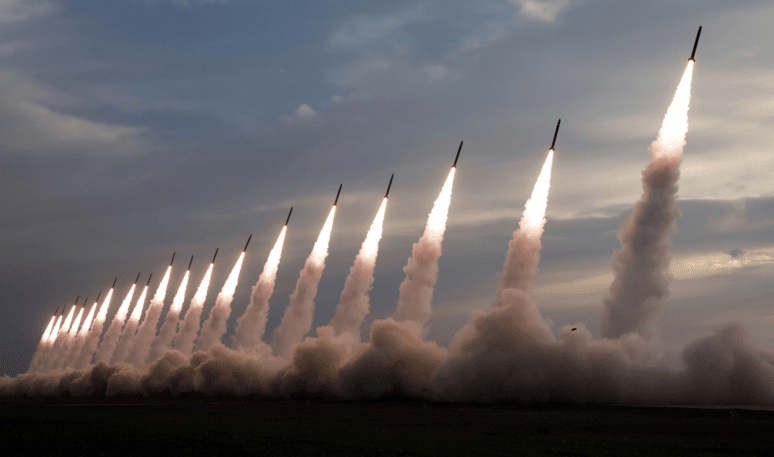
Iran continues attacks despite ceasefire, UAE reports over 500 missile strikes
Continued Iranian aggression despite the ceasefire raises concerns about regional stability and potential airspace restrictions, impacting markets. The post Iran continues attacks despite ceasefire, UAE reports over 500 missile strikes appeared first on Crypt…
Despite the announcement of a ceasefire in conflict zones involving Iran, recent reports from the United Arab Emirates highlight a disturbing continuation of aggressive missile strikes by Iranian forces. The UAE has documented more than 500 missile attacks in this period, underscoring persistent tensions and an unpredictable security landscape across the Gulf region. This sustained hostility not only challenges the feasibility of lasting peace but also raises alarms about the broader implications for geopolitical stability in the Middle East.
The continuation of missile strikes amid ceasefire efforts complicates already fragile diplomatic negotiations and threatens to disrupt vital commercial air routes and shipping channels. Airspace restrictions and heightened security protocols are anticipated, which could significantly impact logistical operations, trade flows, and regional economies. Market participants have taken notice, with increased volatility observed in energy commodity prices and risk assessments in global financial markets.
Regional Security and International Concerns
Iran’s ongoing military actions strain relationships with neighboring countries and global powers striving to mediate peace. The persistence of hostilities raises critical questions about Iran’s strategic objectives and the effectiveness of current diplomatic engagements. Analysts warn that without substantive conflict resolution, the risk of escalation remains acute, imperiling civilian populations and complicating humanitarian efforts.
From a security perspective, the UAE’s missile incident reports have prompted accelerated investment in defense preparedness and surveillance capabilities across the Gulf Cooperation Council (GCC). These developments could lead to a security dilemma, where successive escalations result from mistrust and reactive posturing rather than constructive dialogue.
Market Implications and Economic Impact
The instability in the region is likely to influence global markets, particularly energy sectors dependent on Gulf oil and gas exports. The threat to shipping lanes and potential disruptions in supply chains could drive price spikes and heighten investor caution. Additionally, uncertainties surrounding political stability contribute to currency fluctuations and hesitancy among foreign investments aimed at regional development projects.
Investors and businesses with exposure to Middle Eastern markets are advised to monitor developments closely and incorporate risk mitigation strategies to safeguard assets amid this volatile environment. Moving forward, any progress towards a genuine ceasefire and de-escalation would be a pivotal factor in restoring market confidence and regional economic stability.
Original Source
Read the original article from Crypto Briefing




Recommended Articles
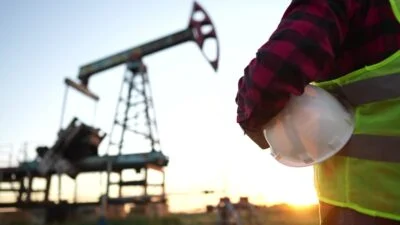
Europe’s oil majors reap $4.7B from trading on Iran war volatility
The trading profits highlight the potential for increased regulatory scrutiny and windfall taxes, impacting future investment strategies. The post Europe’s oil majors reap $4.7B from trading on Iran war volatility appeared first on Crypto Briefing.

Epstein’s alleged suicide note released, challenging 2019 death narrative
The release of Epstein's alleged note may fuel skepticism about his death, impacting public trust in official narratives and investigations. The post Epstein’s alleged suicide note released, challenging 2019 death narrative appeared first on Crypto Briefing.

El negocio de la camiseta: cómo el fútbol europeo mueve 13.000 millones en patrocinios
Las cinco grandes ligas tienen por primera vez a los 96 clubes con sponsor principal, pero la prohibición de apuestas en la Premier League abre una guerra comercial sin precedentes Leer