
US Navy seizes Iranian ship in Gulf of Oman: WSJ
The seizure highlights geopolitical tensions, potentially impacting global markets and influencing investor sentiment and risk assessments. The post US Navy seizes Iranian ship in Gulf of Oman: WSJ appeared first on Crypto Briefing.
US Navy Intervenes in Gulf of Oman Amid Rising Tensions with Iranian Vessel Seizure
The recent seizure of an Iranian-flagged ship by the United States Navy in the strategically vital Gulf of Oman has intensified geopolitical anxieties that ripple across global markets. According to reports from the Wall Street Journal, the operation highlights ongoing confrontations in a region critical to international energy supplies and maritime trade routes.
This naval action occurs amid increased scrutiny over Iran’s maritime activities and corresponding US efforts to enforce sanctions. The move is expected to influence investor sentiment, especially within markets sensitive to geopolitical instability such as oil, commodities, and cryptocurrencies.
Impact on Crypto Markets and Investor Risk Appetite
While traditional markets experience volatility following developments in the Gulf region, crypto markets have displayed nuanced reactions. Bitcoin's price momentum, for instance, remains robust with market contracts reflecting optimism near the $68,000 level despite external macro pressures. Crypto investors often monitor geopolitical flashpoints as potential catalysts for safe-haven demand or risk-off behavior.
Heightened uncertainty tends to drive cautious asset allocation strategies, where digital assets like Bitcoin might benefit from narratives around decentralization and resilience against systemic shocks. However, these dynamics are contingent on broader economic conditions and regulatory developments affecting the crypto industry globally.
Broader Geopolitical Tensions and Regulatory Outlook
The incident underscores the complex intersection of geopolitical conflicts with financial markets and technological innovation. Policymakers worldwide are likely to reassess security frameworks and sanction enforcement methodologies, including digital asset monitoring. These geopolitical risk factors serve as a crucial backdrop for emerging blockchain-centric compliance regimes and regulatory dialogues.
As the situation continues to evolve, market participants should prepare for potential volatility while considering diversified strategies that incorporate both traditional and digital assets. The Gulf of Oman episode is a vivid reminder of how geopolitical affairs remain an intrinsic factor within the global financial ecosystem.
Original Source
Read the original article from Crypto Briefing





Recommended Articles
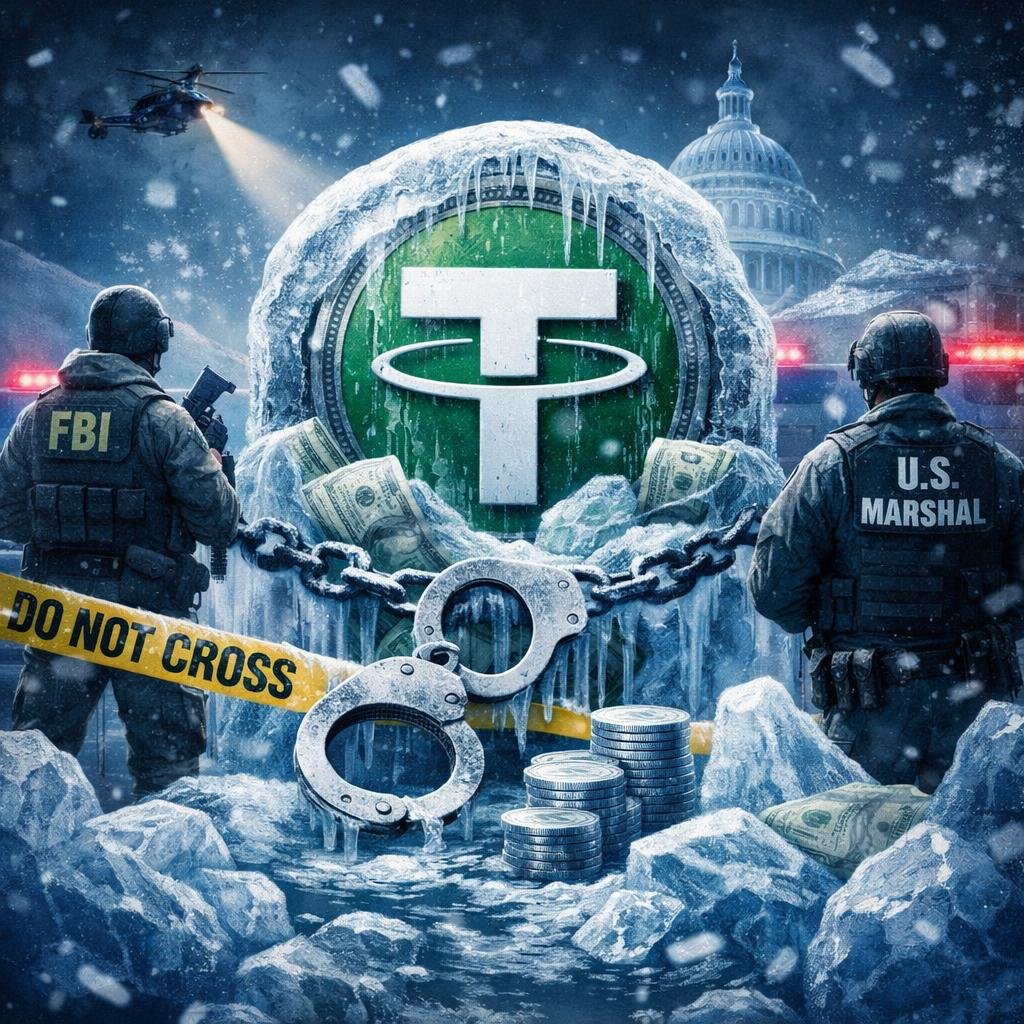
Tether’s Mega-Freeze: $344M USDT Locked Down In Major Operation With US Authorities
Crypto giant Tether disclosed that it has supported the US government in freezing $344 million in USDT held in two Tron wallets, following a request from the Office of Foreign Assets Control (OFAC) and US law enforcement. Tether’s Latest Crackdown According …

Bitcoin Enters Disbelief Phase As Traders Keep Shorting The Rally
Bitcoin’s advance over the past four weeks is colliding with a derivatives market that still looks positioned for weakness. Analysts tracking Binance funding and futures basis say traders continue to lean short even as BTC moves higher, creating what CryptoQu…

Morgan Stanley launches fund for stablecoin issuers under GENIUS Act compliance
Morgan Stanley's fund enhances stablecoin stability by mitigating depegging risks, potentially influencing broader financial market confidence. The post Morgan Stanley launches fund for stablecoin issuers under GENIUS Act compliance appeared first on Crypto B…