

Robert Pape: 75% chance of US-Iran conflict escalation, the complexities of targeting nuclear materials, and the resilience of Iran’s regime | The Diary of a CEO
Escalating US-Iran tensions heighten nuclear security concerns as control over Iran's capabilities diminishes. The post Robert Pape: 75% chance of US-Iran conflict escalation, the complexities of targeting nuclear materials, and the resilience of Iran’s regim…
In a sobering analysis of current geopolitical dynamics, Robert Pape, a leading expert on international security, estimates a 75% probability of increased conflict escalation between the United States and Iran. This heightened risk is intricately linked to the complex challenges of addressing Iran’s nuclear capabilities, which remain elusive and difficult to neutralize without triggering widespread regional destabilization.
Pape emphasizes that the resilience of Iran’s regime, bolstered by strategic alliances and sophisticated defense infrastructure, complicates any direct military intervention. The prospect of targeting nuclear materials involves intense ethical, tactical, and diplomatic considerations—especially given the potential fallout that could extend beyond the immediate theater of conflict.
The Nuclear Conundrum and Regional Stability
Iran’s nuclear program sits at the heart of these tensions. Attempts to curtail its progress through sanctions, covert operations, or diplomatic agreements have met with mixed success. Pape discusses how the diffuse nature of Iran’s nuclear infrastructure—spread across secret sites and supported by a robust cyber-defense apparatus—limits the effectiveness of conventional countermeasures.
Moreover, any aggressive moves risk triggering retaliatory actions not only from Iran but from allied non-state actors and proxy groups throughout the Middle East. This dynamic raises the stakes for policymakers seeking to contain nuclear proliferation without igniting a broader conflict that could engulf multiple nations and impact global markets, including energy and commodities deeply entwined with cryptocurrency and blockchain sectors.
Implications for Global Security and Crypto Markets
Beyond conventional security concerns, escalations in this region could disrupt digital asset markets through increased volatility and shifts in international sanctions regimes. Crypto platforms must be prepared for rapid changes in regulatory landscapes as governments respond to geopolitical shocks.
Pape concludes that thoughtful, multi-faceted strategies combining diplomacy, cyber deterrence, and economic pressure, rather than solely military options, are essential to navigating the evolving complexities posed by Iran’s nuclear ambitions and the broader US-Iran standoff.
Original Source
Read the original article from Crypto Briefing


Recommended Articles
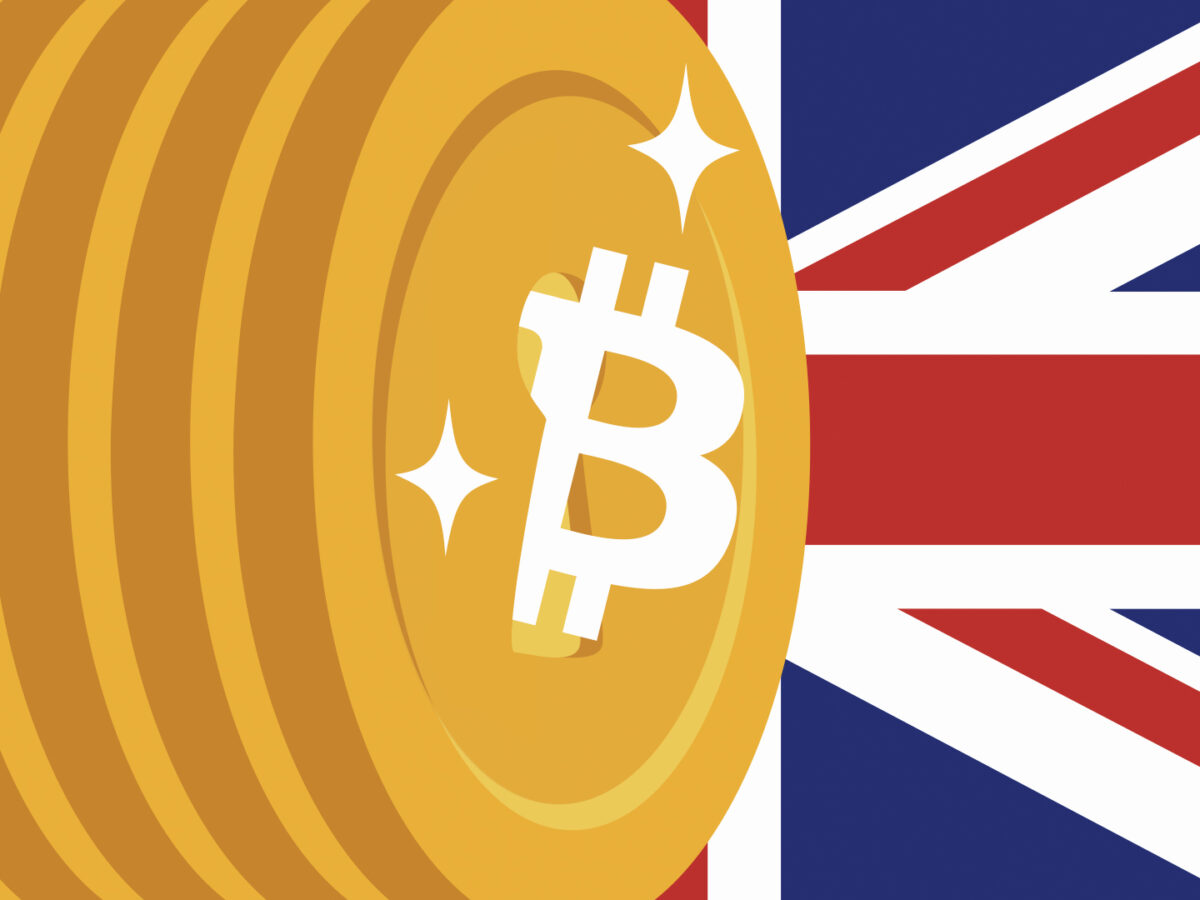
$2.7M Bitcoin Buy: Politician-Backed Stack BTC Expands Treasury
Reform UK leader Nigel Farage has become the first sitting British MP and party leader to publicly back Bitcoin — a distinction his own company was quick to highlight when it announced his involvement. Related Reading: Decade Of Bitcoin Savings Gone In Minute…
Crypto News: Pepeto SoftBank Partnership Announcement While XRP Price Prediction Target
Dubai. UAE, April 14, 2026 (GLOBE NEWSWIRE) -- Crypto news just hit a turning point for Pepeto. The presale funds surpassed $9M, while reports are now linking SoftBank Vision Fund to the project's cross chain DeFi infrastructure, and the Binance listing gets …

Bearish bets lose $430 million as BTC, ETH surge as much as 7%
The six-week range that capped every rally at $73,000 finally broke on Monday as stocks erased all Iran war losses and Trump signaled willingness to resume peace talks.